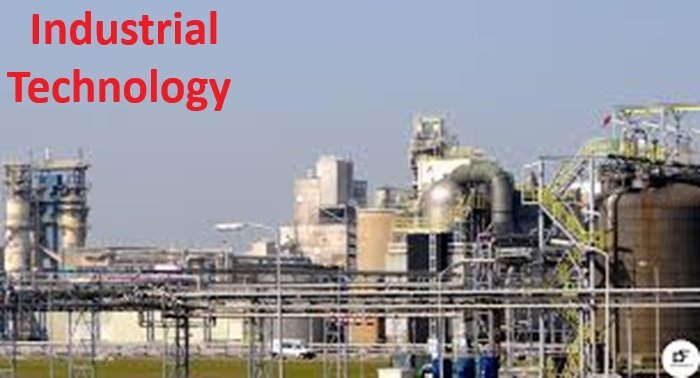
Introduction: What Is Industrial Technology
Industrial technology performs a vital position in shaping the modern-day-day worldwide. From factories to automation systems, it’s miles the spine of producing, manufacturing, and engineering industries. If you have were given ever puzzled what’s enterprise generation, this focused guide will help you understand the whole thing—from its meaning and information to its programs and destiny dispositions.
In these days’s fast-evolving global, business technology isn’t pretty lots machines—it’s miles approximately innovation, average overall performance, and transformation. Industries depend on advanced era to supply goods faster, much less luxurious, and with higher splendid.
What Is Industrial Technology? (Definition)
Industrial generation refers back to the use of engineering and manufacturing technology to enhance business strategies, manufacturing systems, and operations. It involves the application of scientific know-how, machines, device, and systems to supply items and services successfully.
Simple Definition
Industrial era is using machines, gear, and technical systems to fabricate merchandise and improve business strategies.
Key Components of Industrial Technology
Industrial generation is made of severa crucial components that artwork together to ensure clean manufacturing and operations.
1. Machinery and Equipment
Machines together with CNC machines, robots, and conveyor structures are used for manufacturing.
2. Automation Systems
Automation allows reduce human strive and will boom overall performance via control structures.
3. Information Technology
Software structures manipulate operations, statistics, and verbal exchange in industries.
4. Engineering Processes
Engineering strategies are used to layout, develop, and improve products.
5. Quality Control Systems
These structures make sure merchandise meet required requirements.
History of Industrial Technology
Understanding the records helps us higher recognize the importance of commercial enterprise generation.
1. First Industrial Revolution (1760–1840)
- Introduction of steam engines
- Mechanization of producing
- Growth of cloth industries
2. Second Industrial Revolution (1870–1914)
- Use of power
- Mass manufacturing techniques
- Assembly lines
3. Third Industrial Revolution (1960s–2000s)
- Introduction of computer systems
- Automation and robotics
- Digital era
4. Fourth Industrial Revolution (Industry four.Zero)
- Artificial Intelligence
- Internet of Things (IoT)
- Smart factories
Types of Industrial Technology
Industrial era can be categorised into differing types primarily based on its applications.
1. Manufacturing Technology
Used in factories to provide items using machines and system.
2. Automation Technology
Includes robotics and control systems that reduce human intervention.
3. Information Technology in Industry
Software structures like ERP and CAD assist in planning and designing.
4. Electrical Technology
Deals with strength structures, electric powered powered machines, and circuits.
5. Mechanical Technology
Involves machines, engines, and mechanical structures.
6. Chemical Technology
Used in industries like pharmaceuticals, petrochemicals, and meals processing.
Applications of Industrial Technology
Industrial generation is utilized in severa sectors and industries.
1. Manufacturing Industry
- Production of products
- Assembly lines
- Quality manage
2. Automotive Industry
- Car manufacturing
- Robotics in assembly
- Engine format
3. Construction Industry
- Heavy gadget
- Smart creation equipment
4. Energy Sector
- Power flora
- Renewable strength systems
5. Healthcare Industry
- Medical system manufacturing
- Diagnostic machines
Benefits of Industrial Technology
Industrial generation provides severa advantages.
1. Increased Productivity
Machines can produce greater goods in lots a good deal less time.
2. Improved Quality
Advanced structures make sure regular product super.
3. Cost Efficiency
Automation reduces tough paintings expenses and waste.
4. Enhanced Safety
Machines manage risky duties, reducing chance.
5. Innovation and Growth
Encourages improvement of recent products and services.
Important Industrial Technologies (Table)
| Technology | Description | Application |
|---|---|---|
| Automation | Use of control systems | Manufacturing |
| Robotics | Machines performing tasks | Assembly lines |
| IoT | Connected devices | Smart factories |
| AI | Intelligent systems | Predictive maintenance |
| CNC Machines | Computer-controlled machines | Precision manufacturing |
| 3D Printing | Additive manufacturing | Prototyping |
Industrial Technology vs Information Technology
| Feature | Industrial Technology | Information Technology |
|---|---|---|
| Focus | Manufacturing & production | Data & software |
| Tools | Machines & equipment | Computers & software |
| Application | Factories & industries | Offices & IT systems |
| Goal | Production efficiency | Data management |
Role of Automation in Industrial Technology
Automation is one of the most important additives of business era.
Key Features
- Reduces guide paintings
- Improves overall performance
- Increases manufacturing tempo
Examples
- Robotic palms in factories
- Automated packaging systems
- Smart sensors in machines
Industrial Technology in Industry 4.0
Industry 4.Zero represents the modern-day-day phase of business development.
Key Technologies
- Artificial Intelligence
- Big Data
- IoT
- Cloud Computing
Features of Smart Factories
- Real-time monitoring
- Self-optimizing systems
- Digital twins
Skills Required for Industrial Technology
To paintings in business technology, professionals need diverse skills.
Technical Skills
- Machine operation
- Programming
- Engineering knowledge
Analytical Skills
- Problem-solving
- Data analysis
Communication Skills
- Team coordination
- Reporting
Career Opportunities in Industrial Technology
Industrial era offers many profession paths.
Popular Job Roles
- Industrial Engineer
- Production Manager
- Automation Engineer
- Quality Control Inspector
- Maintenance Technician
Challenges of Industrial Technology
Despite its benefits, there are some stressful situations.
1. High Initial Cost
Setting up advanced systems calls for funding.
2. Skill Gap
Workers want training to deal with present day generation.
3. Cybersecurity Risks
Connected systems are at risk of assaults.
4. Maintenance Costs
Machines require regular preservation.
Future of Industrial Technology
The destiny of business generation might be very promising.
1. Smart Manufacturing
Factories will become more smart and automatic.
2. Artificial Intelligence Integration
Machines will make selections independently.
3. Sustainable Technology
Eco-friendly production techniques will increase.
4. Human-Machine Collaboration
Workers and machines will work collectively efficiently.
Real-Life Examples of Industrial Technology
- Robotic palms in automobile manufacturing
- Automated packaging in meals industries
- AI-based in reality quality inspection
- Smart sensors in production traces
Why Industrial Technology Is Important
Industrial generation is critical as it:
- Drives economic increase
- Improves overall performance
- Creates method opportunities
- Supports innovation
FAQs About Industrial Technology
1. What is industrial generation in smooth terms?
Industrial technology is using machines and systems to deliver items efficiently.
2. What are examples of commercial enterprise technology?
Examples encompass robotics, automation systems, CNC machines, and AI.
3. What is the difference between business and mechanical technology?
Industrial technology makes a speciality of basic manufacturing systems, even as mechanical technology gives with machines.
4. What is the function of business generation in current-day-day industries?
It improves productivity, quality, and performance.
5. Is commercial corporation era an great profession?
Yes, it gives many way possibilities and increase functionality.
Conclusion
Industrial generation is a vital part of modern-day industries and performs a large function in economic improvement. From clean machines to superior AI-driven systems, it has converted the way merchandise are synthetic and services are brought.