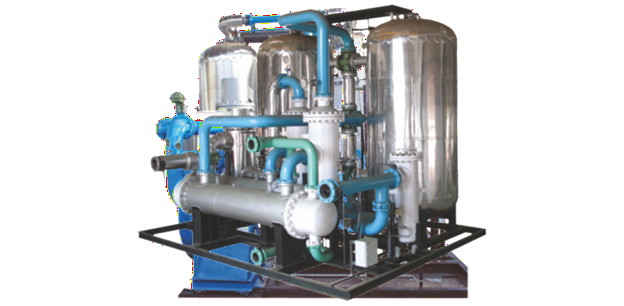
Introduction to Regenerative Compressor Air Dryers
Compressed air systems are widely used in industrial environments where consistent air quality is required for smooth operations. However, compressed air naturally contains moisture, which can affect equipment performance and reduce system efficiency. Removing this moisture is a critical step in maintaining reliable industrial operations and improving overall energy efficiency.
A regenerative compressor air dryer is an advanced air treatment system that uses heat generated during air compression to remove moisture from compressed air. This method improves energy efficiency by reducing the need for external heat sources. It is designed for continuous industrial use where stable and dry air supply is essential.
Regenerative compressor air dryer systems are engineered to optimize energy usage while maintaining high performance standards. They are widely used in industries where compressed air quality directly impacts production reliability and operational cost. These systems are part of modern industrial air treatment solutions focused on efficiency and sustainability.
What is a Regenerative Compressor Air Dryer?
A regenerative compressor air dryer is a type of desiccant air dryer that uses waste heat from the air compression process to regenerate the drying material. This eliminates the need for additional energy input for regeneration. It makes the system more efficient compared to traditional drying methods.
These systems operate using a continuous cycle where compressed air is dried while part of the system regenerates using recovered heat. The process ensures uninterrupted dry air supply for industrial applications. The CAHC HD series is an example of advanced regenerative drying technology used in modern industries.
The main purpose of this system is to reduce energy consumption while maintaining consistent air quality. It is specifically designed for high-capacity compressed air systems where energy efficiency is a priority. This makes it suitable for industries with continuous production requirements.
Working Principle of Heat of Compression Dryers
The working principle of a heat of compression dryer is based on using thermal energy generated during the compression process. This heat is captured and used for regenerating the desiccant material. It reduces or eliminates the need for external heating sources.
During the compression process, air temperature rises significantly. Instead of wasting this heat, the system redirects it for moisture removal from the desiccant bed. This improves energy utilization and system efficiency.
Key operational stages include:
- Compression stage where heat is generated
- Moisture adsorption in the drying tower
- Heat-based regeneration of desiccant
- Cooling and switching cycle for continuous operation
The system ensures that air flows continuously through adsorption and regeneration phases without interruption. This allows stable dew point control and efficient moisture removal. The design supports long-term industrial use with minimal energy waste.
Compressor Waste Heat Recovery System
Waste heat recovery is a core feature of regenerative compressor air dryers. Instead of releasing heat into the environment, the system captures and reuses it for drying purposes. This improves overall energy efficiency and reduces operational cost.
The recovered heat is directed into the desiccant regeneration process. This eliminates the need for separate heaters or additional compressed air usage. As a result, the system operates with lower energy consumption compared to conventional dryers.
Key benefits of waste heat recovery include:
- Improved energy utilization efficiency
- Reduced dependency on external heating systems
- Lower operational energy cost
- Enhanced system sustainability
- Better overall compressed air performance
Waste heat recovery also helps maintain stable system operation under varying load conditions. It ensures consistent performance without increasing energy demand. This makes it highly suitable for large-scale industrial systems.
Comparison with Other Industrial Air Dryers
Industrial air drying systems vary based on their technology and energy usage. Regenerative compressor air dryers are often compared with heatless and split flow systems due to their efficiency differences. Each system serves different operational needs.
Heatless desiccant dryers use compressed air for regeneration, which increases energy consumption. In contrast, regenerative systems use waste heat, making them more efficient. This reduces operating costs in continuous production environments.
NLSF series compressed air dryer systems operate on a different principle where airflow is split to optimize drying. While they reduce some air loss, they still do not match the energy efficiency of heat of compression systems.
Key comparison points include:
- Heat of compression dryers use waste heat instead of compressed air
- Heatless dryers consume more energy due to regeneration air loss
- Split flow systems reduce loss but still require energy input
- Regenerative systems provide better long-term cost efficiency
These differences make regenerative systems more suitable for industries with high energy optimization requirements.
What is HOC Air Dryer Technology?
A HOC air dryer is based on heat of compression technology that uses compressor-generated heat for drying purposes. It is designed to eliminate energy wastage and improve system efficiency.
This technology integrates drying and heat recovery into a single system. It ensures that compressed air is processed efficiently without additional energy consumption. It is commonly used in high-demand industrial environments.
Key characteristics include:
- Uses compressor waste heat for regeneration
- Eliminates need for external heating systems
- Reduces energy consumption significantly
- Provides stable dew point performance
- Suitable for continuous operation systems
HOC technology represents one of the most efficient approaches in industrial compressed air treatment systems. It is widely adopted where energy optimization is a priority.
Benefits of Regenerative Compressor Air Dryers
Regenerative compressor air dryers offer several advantages that make them suitable for modern industrial applications. Their design focuses on energy efficiency, cost reduction, and stable performance. These benefits contribute to improved operational reliability.
Key benefits include:
- Significant reduction in energy consumption
- Lower operational and maintenance costs
- Stable and consistent dew point control
- Efficient use of waste heat energy
- Reduced environmental impact
- High reliability in continuous operations
These systems also help improve overall plant efficiency by reducing unnecessary energy loss. They are designed to operate under heavy industrial loads while maintaining consistent air quality. This makes them a preferred choice in energy-sensitive industries.
Industrial Applications of Heat of Compression Dryers
Regenerative compressor air dryers are widely used across various industrial sectors. Their ability to reduce energy consumption while maintaining air quality makes them suitable for critical applications. Industries with continuous production cycles benefit the most.
Common applications include:
- Power generation plants
- Chemical and petrochemical processing
- Oil and gas facilities
- Large-scale manufacturing industries
- Heavy industrial automation systems
- Continuous production environments
These systems are particularly important in industries where compressed air quality directly affects operational efficiency. Their stable performance ensures uninterrupted production processes.
When to Use Regenerative Compressor Air Dryers
Selecting a regenerative compressor air dryer depends on system requirements and operational scale. These systems are best suited for high-capacity compressed air applications. They are designed for environments where energy efficiency is a top priority.
They are ideal for continuous operation systems where downtime is not acceptable. Their ability to reuse waste heat makes them suitable for energy-intensive industries. They are also preferred when long-term operational cost reduction is required.
Proper selection depends on airflow requirements, dew point needs, and energy optimization goals. These systems provide a balanced solution for performance and efficiency.
Maintenance and Operational Efficiency
Maintaining regenerative compressor air dryers ensures long-term efficiency and reliability. Regular monitoring of system components helps maintain stable performance. Desiccant condition and heat recovery efficiency must be checked periodically.
Control systems should be inspected to ensure proper cycling between adsorption and regeneration phases. Heat recovery systems must be maintained for optimal performance. Routine maintenance improves system lifespan and reduces operational issues.
Proper maintenance practices ensure consistent energy savings and stable air quality. This supports uninterrupted industrial operations and long-term system efficiency.
Conclusion
Regenerative compressor air dryers based on heat of compression technology offer a highly efficient solution for industrial compressed air treatment. They utilize waste heat from compressors to reduce energy consumption and improve operational efficiency. This makes them ideal for large-scale industrial systems with continuous air demand.
Their ability to combine drying and energy recovery into a single process ensures stable performance and cost savings. Industries adopting these systems benefit from improved efficiency, reduced energy usage, and better system reliability.
For more information or technical assistance, you can contact Delair India Pvt Ltd.
FAQs
1. What is a regenerative compressor air dryer used for?
It is used to remove moisture from compressed air using waste heat from the compression process.
2. How does a heat compression dryer work?
It uses heat generated during air compression to regenerate the desiccant and remove moisture.
3. What is the advantage of HOC air dryers?
They reduce energy consumption by using compressor waste heat instead of external energy sources.
4. How is it different from a split flow air dryer?
Split flow dryers divide airflow for drying, while HOC dryers use waste heat for regeneration.
5. Where are regenerative air dryers commonly used?
They are used in power plants, chemical industries, manufacturing units, and other continuous industrial operations.