Understanding crispy potato chips is important for anyone trying to make better food choices in today’s snack market. These chips are one of the most widely consumed packaged snacks, but their health value depends on ingredients, oils, and cooking methods rather than just taste or branding. Many people assume all chips fall into the same category, but the reality is more complex. The way they are made plays a major role in how they affect your diet.
When exploring everyday snacking options such as crispy potato chips, it becomes important to understand what goes into them and how they are processed before reaching your plate.
Why Crispy Potato Chips Are So Popular in Modern Diets
Crispy potato chips have remained popular because they are convenient, crunchy, and widely available. Their strong flavor profile makes them a preferred choice for casual eating and social snacking occasions. Over time, they have become a default snack in many households, which is why discussions around their health impact have increased.
Even when people look for snacks like chips for game night, they often prioritize taste and convenience over ingredient awareness. However, modern consumers are now beginning to question how these choices affect long-term health.
The popularity of chips is driven by several consistent factors:
- Strong crunch and satisfying texture
- Easy availability across retail and online platforms
- Long shelf life and portability
- Affordable pricing compared to other snacks
- Compatibility with social and casual eating moments
These factors explain why chips continue to dominate the snack category even as healthier alternatives grow in demand.
What Goes Into Crispy Potato Chips
The basic composition of crispy potato chips appears simple, but ingredient quality varies significantly across brands. At the core, they are made from sliced potatoes, oil, and salt. However, commercial versions often include additional components that influence flavor, texture, and shelf stability.
Understanding potato chips ingredients helps consumers recognize how processing changes nutritional value.
Common ingredients include:
- Sliced potatoes as the base
- Cooking oils used for deep frying
- Salt for taste enhancement
- Flavoring agents or seasoning blends
- Additives for shelf life stability
While the ingredient list may seem short, the quality of oils and processing methods has a major impact on how the final product behaves in the body.
How Cooking Methods Change the Nutritional Value
Cooking methods are one of the most important factors in determining whether chips are closer to a processed snack or a more balanced option. Most crispy chips are prepared using deep frying, which involves cooking potato slices in hot oil until they become crunchy.
The frying process changes both texture and nutritional density. This is why two products with similar ingredients can still have different health impacts depending on how they are prepared.
Key effects of frying include:
- Increased calorie density due to oil absorption
- Loss of natural moisture and some nutrients
- Changes in fat composition due to high heat
- Increased crispness and shelf stability
- Dependence on oil quality and temperature control
This makes cooking methods just as important as ingredients when evaluating snack quality.
Seed Oils vs Traditional Fats in Chip Production
One of the most debated topics in snack production is the type of oil used. Many modern chips rely heavily on seed oils, while some traditional approaches use animal-based fats like beef tallow. This difference affects both taste and nutritional perception.
Understanding seed oil vs beef tallow comparison helps explain why ingredient choices matter in snack production.
Common seed oils include:
- Canola oil
- Sunflower oil
- Soybean oil
Traditional fats include:
- Beef tallow
- Rendered animal fats
- Other stable cooking fats
Key differences include:
- Seed oils are widely used due to cost efficiency and availability
- Traditional fats are often valued for flavor depth
- Oil stability changes during high-temperature frying
- Consumer awareness around ingredient sourcing is increasing
- Perception of “cleaner” oils is influencing buying decisions
This comparison highlights why ingredient transparency has become a key factor in snack selection.
Are Crispy Potato Chips Actually Bad for You
The impact of chips on health depends on how frequently they are consumed and what ingredients are used. Crispy potato chips are not automatically harmful, but they are not nutrient-rich either. Their effect is more related to consumption patterns than isolated servings.
When evaluating whether chips are bad for you, it is important to consider context rather than making a general assumption.
Key influencing factors include:
- Frequency of consumption
- Type and quality of cooking oil
- Portion size and serving control
- Overall dietary balance
- Level of processing and additives
In moderation, chips can fit into a normal diet. However, regular and unbalanced consumption may increase intake of fats and sodium without adding significant nutritional value.
Healthier Alternatives to Traditional Chips
As awareness around nutrition grows, many consumers are exploring better snack alternatives. These options do not necessarily eliminate chips but instead focus on improving ingredient quality and reducing processing.
Healthier chip alternatives often emphasize simplicity and transparency.
Common characteristics include:
- Minimal ingredient lists
- No artificial additives or preservatives
- Better quality cooking oils
- Natural bases such as corn or potatoes
- Reduced processing and cleaner formulation
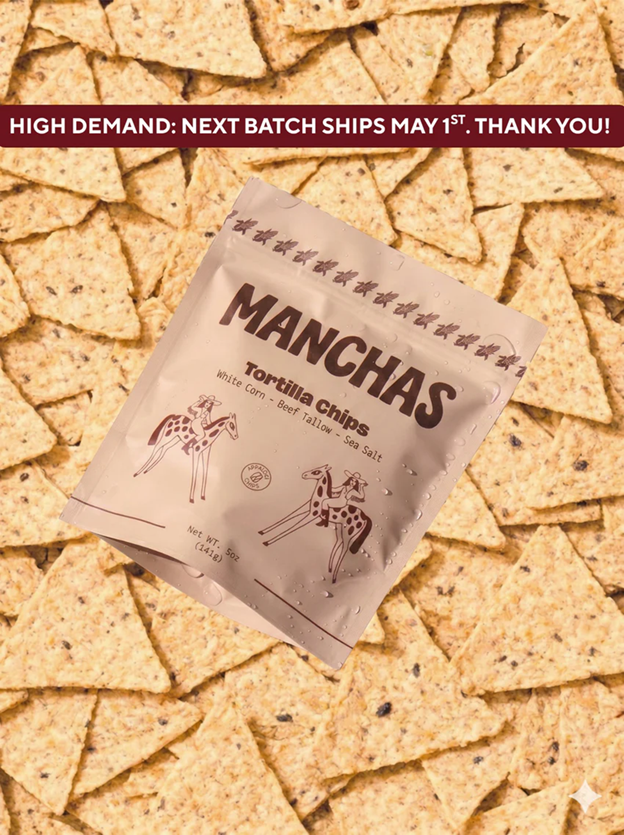
Many consumers now prefer tortilla chip gluten free options, which focus on corn-based ingredients and simpler production methods. These alternatives are becoming more common among people seeking lighter snack choices without sacrificing crunch.
Why Ingredients Matter More Than Marketing
Marketing claims often highlight terms like “crispy,” “natural,” or “light,” but ingredient lists tell the real story. Understanding snack ingredients explained in simple terms helps consumers make more informed decisions.
When reading labels, it is important to focus on substance rather than branding language. Ingredient transparency is becoming one of the strongest indicators of snack quality in 2026.
Important things to look for include:
- Short and understandable ingredient lists
- Clear identification of oils used
- Absence of artificial additives
- Transparent sourcing information
- Simple preparation methods
This shift shows that consumers are becoming more aware of what they eat and how it is made.
Traditional Cooking Methods and Their Role in Snacks
Traditional cooking methods are still relevant because they often prioritize simplicity and flavor. These methods focus on fewer ingredients and more natural preparation techniques compared to highly industrial processes.
Traditional frying methods are valued for their ability to enhance texture while maintaining a more natural taste profile.
Key characteristics include:
- Simpler ingredient use
- Focus on natural flavor development
- Less reliance on additives
- Balanced texture and crunch
- Stronger connection to traditional food practices
These methods continue to influence how modern snack brands develop their products.
Choosing Better Crunchy Snacks in Daily Life
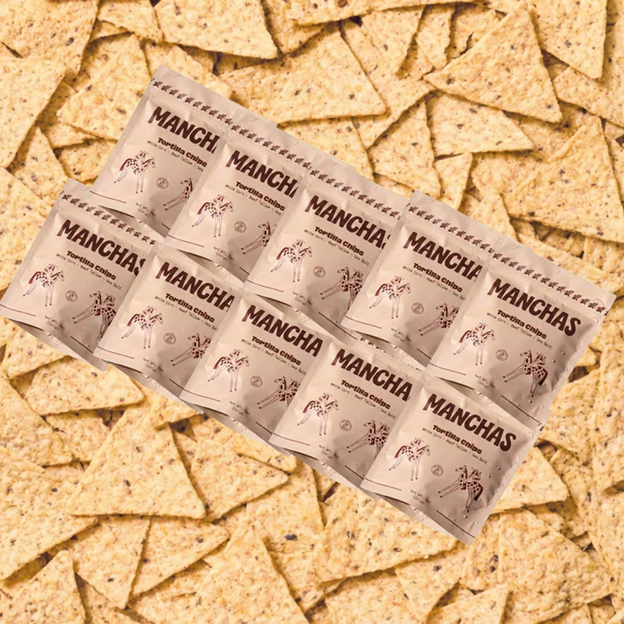
Selecting better snacks is not about avoiding chips entirely but about making more informed choices. Consumers can improve their snack habits by focusing on quality, ingredients, and processing methods.
Better snack selection habits include:
- Checking ingredient labels carefully
- Choosing minimally processed options
- Understanding oil types used
- Balancing snacks with overall meals
- Prioritizing transparency from brands
These habits help create a more balanced approach to everyday snacking without removing enjoyment.
Conclusion
Crispy potato chips are not inherently unhealthy, but their impact depends on ingredients, cooking methods, and how often they are consumed. Understanding what goes into chips and how they are prepared helps consumers make better dietary decisions. The growing interest in cleaner snack alternatives shows that people are becoming more conscious of ingredient quality and food processing.
Rather than eliminating chips completely, the focus should be on awareness and moderation. Better choices come from understanding oils, ingredients, and preparation methods, which ultimately shape the nutritional profile of any snack.
FAQs
1. Are crispy potato chips unhealthy?
They are not inherently unhealthy, but their nutritional value depends on ingredients, oil type, and consumption frequency.
2. What makes fried chips less healthy?
Deep frying, oil absorption, and high calorie density are key factors that reduce nutritional balance.
3. Are seed oils worse than traditional fats?
They differ in composition and stability, but concerns often focus on processing and heat exposure during frying.
4. Can chips be part of a healthy diet?
Yes, when eaten in moderation and balanced with other nutrient-rich foods.
5. What are healthier chip alternatives?
Options with simple ingredients, cleaner oils, and minimal processing are generally considered better choices.