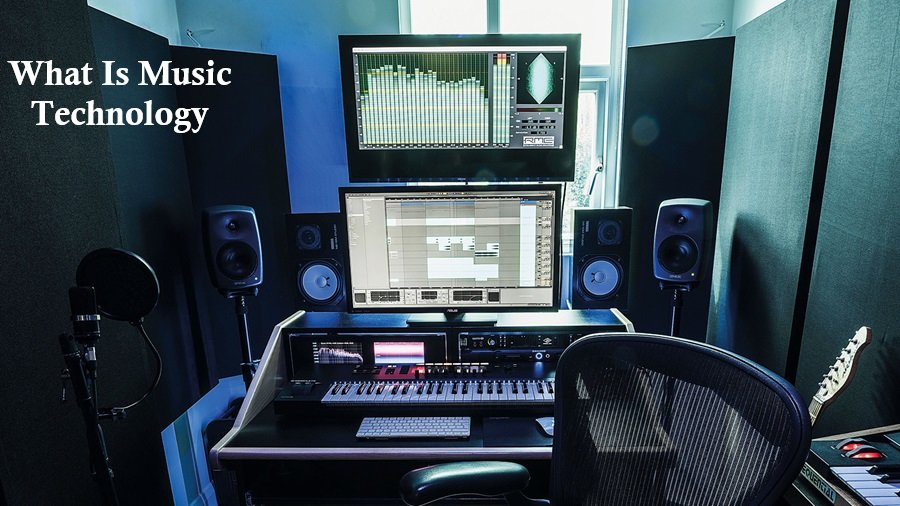
Introduction: What Is Music Technology
Music has constantly been an effective shape of human expression. From historical devices like drums and flutes to trendy virtual soundscapes, the manner in which we create and experience tracks has improved dramatically. Today, the time-period tune generation performs a number one position in shaping how a tune is produced, recorded, allocated, and consumed. What Is Music Technology?
So, what’s music generation? In simple terms, it refers to the use of equipment, software, and devices to create, document, edit, and perform tracks. Whether you are a professional tune producer, an amateur, or only a music lover, information track generation opens the door to a whole new world of creativity.
This centered manual will explore the entirety you want to comprehend approximately of music technology, inclusive of its facts, kinds, equipment, packages, and future inclinations.
What Is Music Technology? (Definition)
Music era is the utility of generation within the advent, recording, enhancing, manufacturing, and distribution of music.
It is composed of each:
- Hardware (devices, microphones, mixers)
- Software (virtual audio workstations, plugins, apps)
In current-day international music, technology permits every person with a computer or cellphone to offer a notable tune from home.
History of Music Technology
Early Beginnings
The music era started out with simple gadgets like
- Drums
- Flutes
- String devices
These have been the simplest acoustically and required no electronic manual.
The Rise of Electronic Music
In the 20th century, technology revolutionized music:
- Invention of electric guitars
- Introduction of synthesizers
- Development of recording studios
Artists began experimenting with electronic sounds, fundamental to new genres.
Digital Revolution
The overdue twentieth and early twenty-first centuries noticed maximum critical upgrades:
- Computers in music production
- MIDI (Musical Instrument Digital Interface)
- Digital recording and improving tools
Today, software like Ableton Live and FL Studio dominate the company.
Types of Music Technology
Music technology can be divided into several trainings:
1. Recording Technology
This consists of equipment used to seize sound:
- Microphones
- Audio interfaces
- Recording software application
2. Production Technology
Used to create and set up a tune:
- Digital Audio Workstations (DAWs)
- Virtual units
- Plugins
Popular DAWs embody:
- Logic Pro
- Pro Tools
3. Performance Technology
Used for the duration of stay performances:
- MIDI controllers
- DJ device
- Loop stations
4. Sound Design Technology
Used to create specific sounds:
- Synthesizers
- Samplers
- Effects processors
5. Distribution Technology
How songs reach listeners:
- Streaming structures
- Digital downloads
- Social media
Platforms like Spotify and YouTube Music play a big role nowadays.
Key Components of Music Technology
1. Hardware
| Component | Description | Example |
|---|---|---|
| Microphone | Captures sound | Condenser mic |
| Audio Interface | Converts analog to digital | Focusrite Scarlett |
| MIDI Controller | Controls digital instruments | Keyboard controller |
| Studio Monitors | Output sound accurately | Yamaha HS series |
2. Software
| Software Type | Purpose | Examples |
|---|---|---|
| DAW | Music production | Ableton Live, FL Studio |
| Plugins | Effects & instruments | VST plugins |
| Editing Tools | Sound correction | Audacity |
3. File Formats
| Format | Use |
|---|---|
| MP3 | Compressed audio |
| WAV | High-quality audio |
| MIDI | Digital instrument data |
How Music Technology Works
Music generation works through a clean method:
- Input – Sound is captured through microphones or MIDI devices
- Processing – Software edits and enhances the sound
- Output—The final tune is completed through the audio tool or shared online.
For instance:
- A singer records vocals
- The producer edits the use of a DAW
- Effects like reverb and EQ are added
- The final song is exported and shared
Importance
1. Accessibility
Anyone can create songs without a professional studio.
2. Creativity
Unlimited sound possibilities through digital devices.
3. Cost Efficiency
Home studios are an entire lot less expensive than conventional studios.
4. Global Reach
Artists can share music globally instantly.
Applications of Music Technology
1. Music Production
Used in the manner of producers to create songs and albums.
2. Film & Gaming
The music era is appreciably implemented in the following:
- Movies
- Video video video games
- Advertisements
3. Education
Students observe tunes digitally using apps and software programs.
4. Live Performances
Artists use era for:
- Live mixing
- Effects
- Visual synchronization
Popular Tools in Music Technology
Digital Audio Workstations (DAWs)
- Ableton Live
- FL Studio
- Logic Pro
Plugins & Effects
- EQ (Equalization)
- Reverb
- Compression
- Auto-Tune
Virtual Instruments
- Synthesizers
- Drum machines
- Samplers
Advantages of Music Technology
- Easy song advent
- Professional-extraordinary output
- Wide range of device
- Fast enhancing and sharing
Disadvantages of Music Technology
- Over-reliance on software
- Loss of conventional capabilities
- High analyzing curve
- Expensive gadget (first of all)
Music Technology within the Digital Age
Today, tune generation is deeply incorporated into ordinary lifestyles:
- Streaming apps dominate listening behavior
- Social media affects tune developments
- AI is being applied in song introduction
Artists now do not depend upon file labels—they are capable of producing and launching tunes independently.
Future of Music Technology
1. Artificial Intelligence (AI)
AI can:
- Compose a song.
- Suggest melodies
- Master tracks mechanically
2. Virtual Reality (VR)
Virtual live shows and immersive opinions are developing.
3. Cloud-Based Production
Music advent from everywhere in the globe.
4. Blockchain in Music
Helps artists shield copyrights and earn truthful royalties.
Music Technology vs Traditional Music
| Aspect | Music Technology | Traditional Music |
|---|---|---|
| Tools | Digital | Acoustic |
| Accessibility | High | Limited |
| Cost | Affordable | Expensive |
| Flexibility | Very high | Limited |
How to Start Learning Music Technology
Step 1: Choose a DAW
Start with a beginner-top-notch software utility like FL Studio.
Step 2: Learn Basics
Understand:
- Beats
- Melody
- Rhythm
Step 3: Practice Regularly
Experiment with sounds and consequences.
Step 4: Watch Tutorials
Online structures provide unfettered access to sources.
Step 5: Create Your First Track
Start clean and decorate over time.
Career Opportunities
Music generation offers many professional options:
- Music Producer
- Sound Engineer
- DJ
- Composer
- Audio Editor
- Game Sound Designer
Essential Skills for Music Technology
- Creativity
- Technical expertise
- Sound layout
- Mixing & getting to know
- Problem-fixing
Conclusion
Music has certainly transformed the manner it is created, shared, and produced. From easy recording gear to advanced virtual manufacturing systems, it empowers people to turn their musical mind into truth.
Understanding music technology is crucial in today’s virtual world. Whether you need to emerge as a track manufacturer or without a doubt find your creativity, song technology gives limitless opportunities.
As technology keeps evolving, the future of tunes seems greater and more interesting than ever.
FAQs (Frequently Asked Questions)
1. What is music technology in smooth phrases?
The music era is using systems and software programs to create, record, and produce music.
2. What are examples of song generation?
Examples embody DAWs like Ableton Live, microphones, and synthesizers.
3. Is song generation tough to investigate?
It can be difficult earlier than the whole thing; however, with practice, it becomes plenty much less complex.
4. Can I study music technology domestically?
Yes, many tools and tutorials are to be had on-line.
5. What is the destiny of song technology?
AI, VR, and cloud-based music manufacturing are shaping the destiny.